Câu hỏi mẫu1 / 8
Từ vựng chủ đề Văn học - Literature
Học từ vựng về thể loại, tác phẩm và phong cách viết — chia theo Cơ bản, Trung cấp, Nâng cao kèm ví dụ và phát âm.
Phù hợp đọc sách & IELTS Reading/Writing
Miễn phí · Không cần thẻ · Lưu tiến độ học của bạn
Topic preview
Literature · Văn học
49 từCơ bản · 17Trung cấp · 18Nâng cao · 14
49 từ
- Cơ bảnbooknounquyển sách
- Cơ bảnreadverbđọc
- Cơ bảnwriteverbviết
- Cơ bảnwriternounngười viết
- Cơ bảnstorynouncâu chuyện
+ 44 từ khácHọc theo trình độ →
Mini test 5–10 phút
Bạn biết bao nhiêu từ thuộc chủ đề Văn học?
Làm bài test ngắn để biết bạn đang mạnh / yếu ở nhóm Cơ bản, Trung cấp hay Nâng cao trong chủ đề này. Kết quả giúp Hoctumoi chọn đúng từ để bạn học tiếp.
- Chỉ 5–10 phút, làm trên điện thoại được
- Báo cáo theo 3 nhóm Cơ bản / Trung cấp / Nâng cao
- Gợi ý lộ trình học phù hợp với điểm yếu của bạn
Một số từ vựng tiêu biểu theo trình độ
Hoctumoi sắp xếp từ vựng theo từng cấp độ CEFR (A1 → C2) để bạn dễ chọn đúng trình độ và học không bị quá tải.
Từ vựng trình độ A1

Cơ bảnA1
book
nounquyển sách
“I read a book every week.”
Cơ bảnA1
read
verbđọc
“She reads before bed.”
Cơ bảnA1
write
verbviết
“He writes short stories.”
Cơ bảnA1
story
nouncâu chuyện
“Tell me a story, please.”
Cơ bảnA1
page
nountrang sách
“Turn to page 25.”
Cơ bảnA1
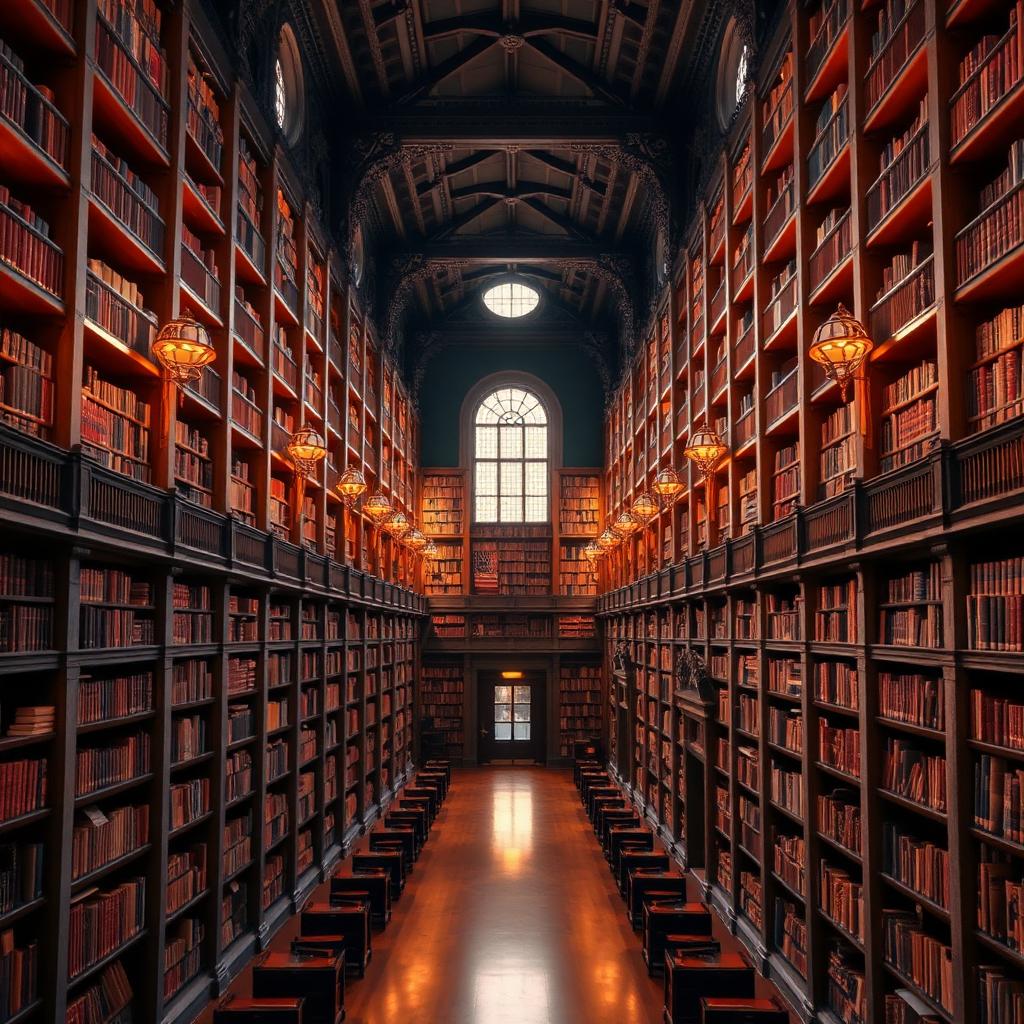
library
nounthư viện
“The library opens at 9.”
Cơ bảnA1
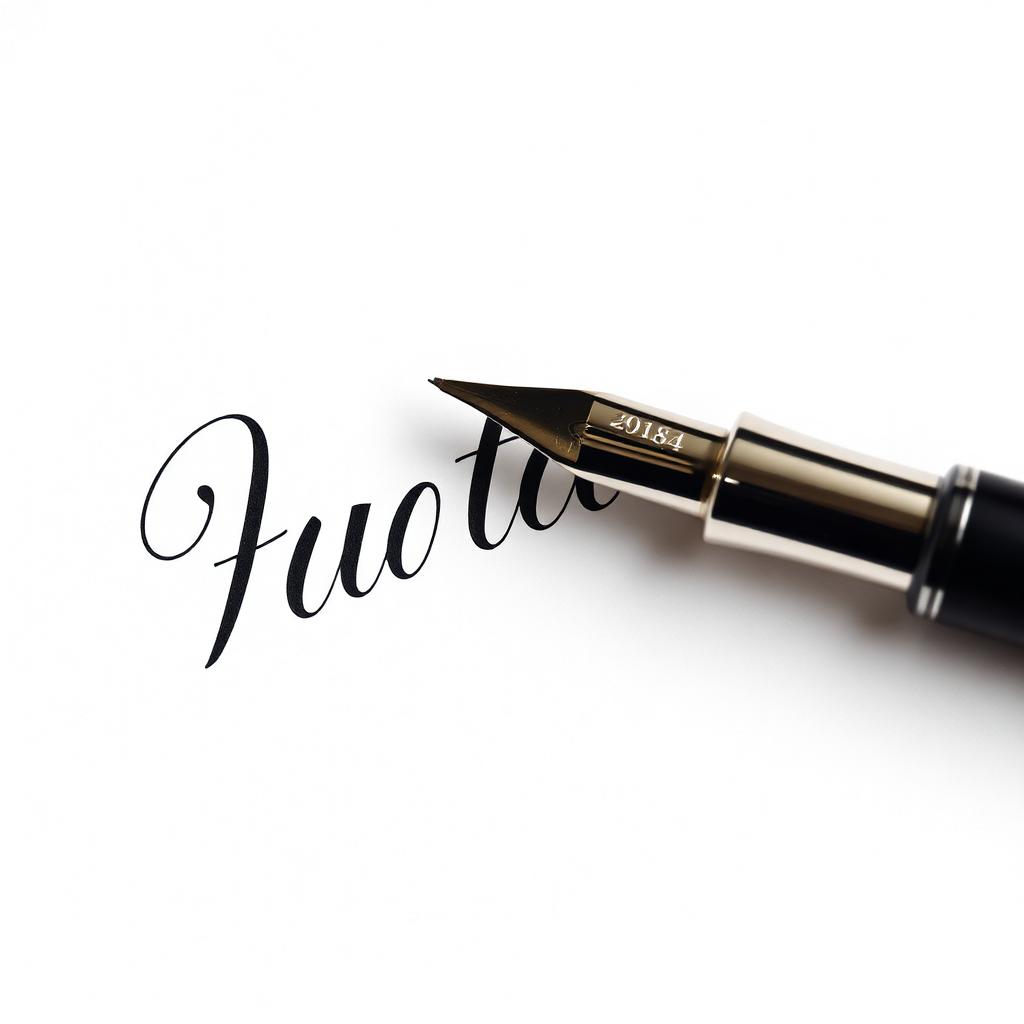
pen
nounbút
“I lost my favorite pen.”
Cơ bảnA1
paper
noungiấy
“Write on this paper.”
Từ vựng trình độ A2
Cơ bảnA2
writer
nounngười viết
“She's a young writer.”
Cơ bảnA2
chapter
nounchương
“Chapter 3 was thrilling.”
Cơ bảnA2
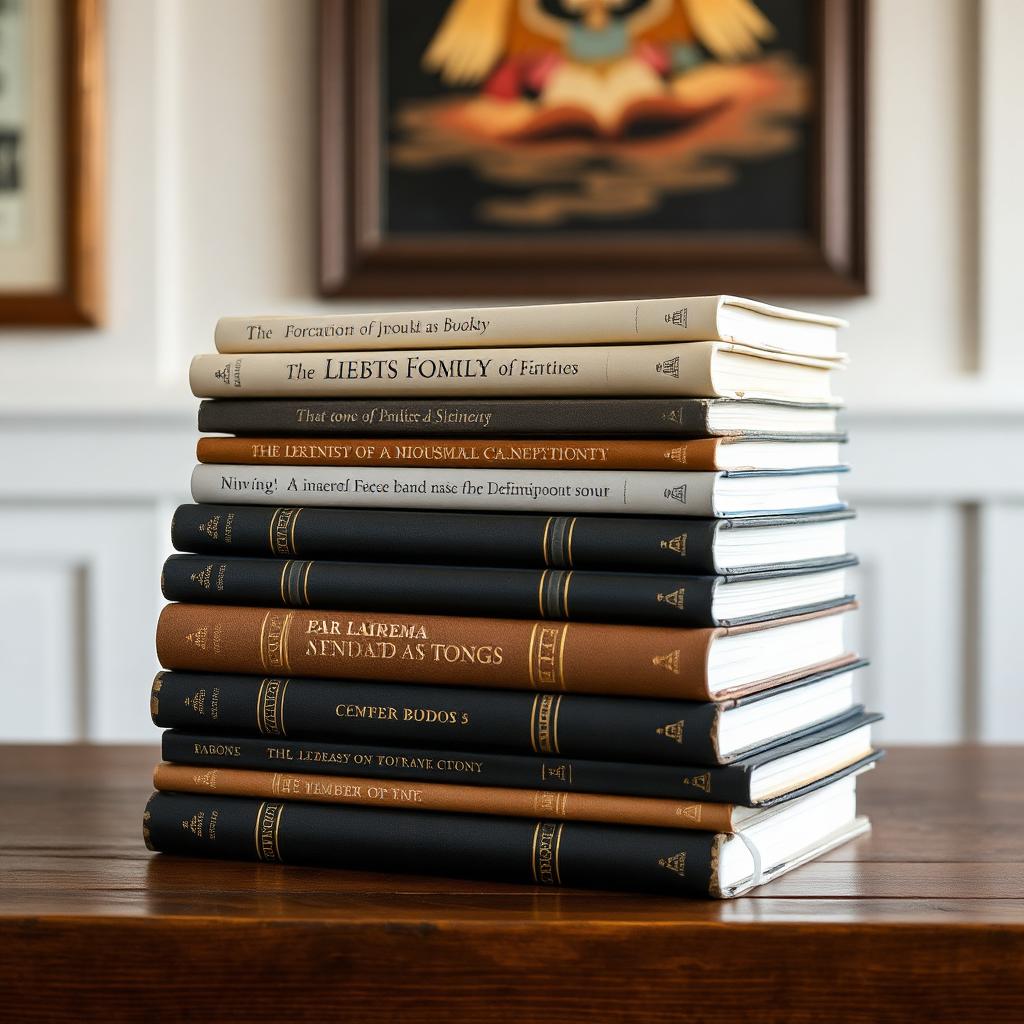
novel
nountiểu thuyết
“Her first novel was a hit.”
Cơ bảnA2
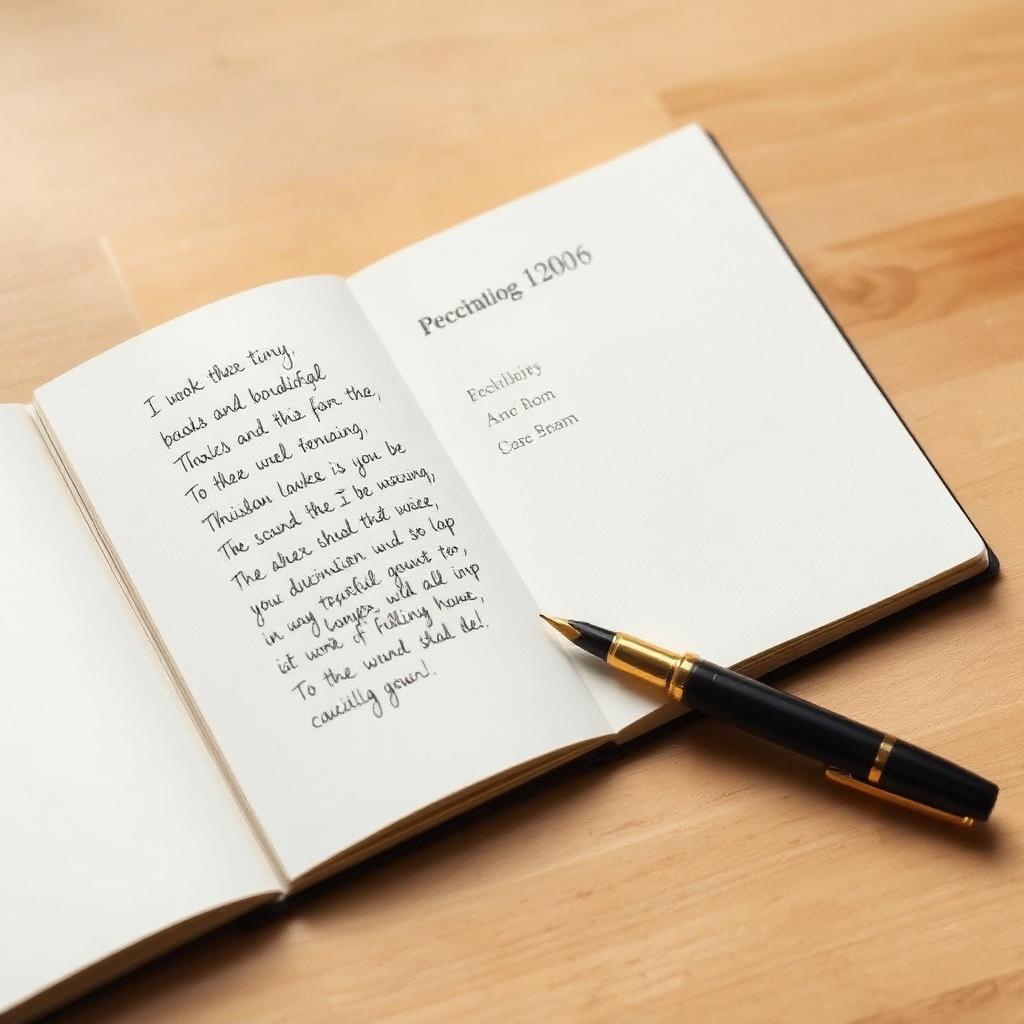
poem
nounbài thơ
“He wrote a touching poem.”
Cơ bảnA2
author
nountác giả
“Who's the author of this book?”
Cơ bảnA2
title
nounnhan đề
“The title caught my eye.”
Cơ bảnA2
character
nounnhân vật
“Harry is the main character.”
Cơ bảnA2
diary
nounnhật ký
“She keeps a daily diary.”
Cơ bảnA2
fairy tale
nountruyện cổ tích
“Cinderella is a classic fairy tale.”
Từ vựng trình độ B1

Trung cấpB1
typewriter
nounmáy đánh chữ
“He still writes on a typewriter.”
Trung cấpB1
fiction
nountiểu thuyết hư cấu
“I prefer fiction to non-fiction.”
Trung cấpB1
poetry
nounthơ ca
“Modern poetry can be difficult.”
Trung cấpB1
plot
nouncốt truyện
“The plot keeps you guessing.”
Trung cấpB1
theme
nounchủ đề
“The main theme is loneliness.”
Trung cấpB1
setting
nounbối cảnh
“The setting is 19th-century London.”
Trung cấpB1
genre
nounthể loại
“Sci-fi is my favorite genre.”
Trung cấpB1
biography
nountiểu sử
“I'm reading a biography of Lincoln.”
Trung cấpB1
essay
nounbài luận
“She wrote an essay on freedom.”
Trung cấpB1
drama
nounkịch
“Shakespeare wrote great drama.”
Trung cấpB1
publish
verbxuất bản
“Her novel was published last year.”
Trung cấpB1
publisher
nounnhà xuất bản
“A big publisher signed her.”
Trung cấpB1
review
nounbài bình luận
“The book got rave reviews.”
Từ vựng trình độ B2
Trung cấpB2
narrative
nouncâu chuyện kể
“The narrative is told in first person.”
Trung cấpB2
protagonist
nounnhân vật chính
“The protagonist faces many trials.”
Trung cấpB2
antagonist
nounnhân vật phản diện
“Voldemort is the antagonist.”
Trung cấpB2
edition
nounấn bản
“I bought the first edition.”
Trung cấpB2
best-seller
nounsách bán chạy
“Her novel was a best-seller.”
Từ vựng trình độ C1
Nâng caoC1
metaphor
nounẩn dụ
“He used a beautiful metaphor for time.”
Nâng caoC1
symbolism
nountính biểu tượng
“The novel is full of symbolism.”
Nâng caoC1
prose
nounvăn xuôi
“Her prose is clear and elegant.”
Nâng caoC1
verse
nounthơ, câu thơ
“He recited a verse from Keats.”
Nâng caoC1
allegory
nountruyện ngụ ý
“Animal Farm is a political allegory.”
Nâng caoC1
manuscript
nounbản thảo
“The manuscript took five years.”
Nâng caoC1
anthology
nountuyển tập
“This anthology collects 30 poets.”
Nâng caoC1
foreshadow
verbbáo trước
“The opening chapter foreshadows the ending.”
Từ vựng trình độ C2
Nâng caoC2
metafiction
nounsiêu hư cấu
“The novel uses metafiction to break the fourth wall.”
Nâng caoC2
epistolary
adjthư tín
“Dracula is an epistolary novel.”
Nâng caoC2
bildungsroman
nountiểu thuyết trưởng thành
“Great Expectations is a classic bildungsroman.”
Nâng caoC2
doggerel
nounthơ vớ vẩn
“He wrote silly doggerel for the party.”
Nâng caoC2
prosody
nounâm luật thơ
“Prosody studies rhythm and meter in poetry.”
Nâng caoC2
versification
nounnghệ thuật làm thơ
“Her versification is elegant and precise.”
Lộ trình 5 bước
Gợi ý 5 bước học chủ đề này
Một lộ trình nhẹ nhàng để bạn từ chỗ chưa biết gì đến tự tin với chủ đề Văn học.
- Bước 1
Làm quen nhóm Cơ bản
Học book, read, write, writer, story, novel, poem, author, character, library.
- Bước 2
Mở rộng nhóm Trung cấp
Thêm fiction, poetry, plot, theme, setting, narrative, protagonist, antagonist, genre, publish.
- Bước 3
Thử sức nhóm Nâng cao
Tiếp cận metaphor, symbolism, prose, verse, allegory, manuscript, anthology, foreshadow.
- Bước 4
Ôn lại từ sai
Hoctumoi lặp lại đúng những từ bạn còn yếu (spaced repetition).
- Bước 5
Mini test & xem kết quả
Làm bài kiểm tra ngắn để đo tiến bộ.
Chủ đề liên quan
Mở rộng vốn từ sang các chủ đề gần với Văn học.
Vì sao nên học từ vựng chủ đề Văn học?
Văn học mở cánh cửa vào những bộ óc lớn nhất viết bằng tiếng Anh — Shakespeare, Austen, Orwell, Tolkien. Hiểu các từ plot, theme, setting, protagonist, narrative, metaphor, symbolism, allegory giúp bạn đọc tiểu thuyết gốc dễ hơn, viết IELTS Writing Task 2 sâu hơn (dùng được ví dụ từ văn học), và đánh giá phim/sách bằng tiếng Anh có chiều sâu — không còn chỉ "good story".
Học từ vựng Văn học theo Cơ bản, Trung cấp, Nâng cao như thế nào?
Cơ bản (A1–A2): book, read, write, writer, story, page, chapter, library, pen, novel, poem, author, title, character, diary. Trung cấp (B1–B2): fiction, poetry, plot, theme, setting, narrative, protagonist, antagonist, fairy tale, genre, biography, essay, drama, publish, publisher, edition, review, best-seller. Nâng cao (C1–C2): metaphor, symbolism, prose, verse, allegory, manuscript, anthology, foreshadow.
Hoctumoi giúp bạn học chủ đề này hiệu quả ra sao?
Ảnh trực quan giúp ghi nhớ book, library, pen, typewriter, novels, poetry. Mini test tập trung vào cặp dễ nhầm: novel/novella/short story, prose/verse, metaphor/simile/symbolism, protagonist/antagonist. Spaced repetition giúp ghi nhớ collocation học thuật: gripping plot, well-developed character, rich symbolism, beautifully written prose, page-turner.
Câu hỏi thường gặp